Electronics Production – Sustainable Technologies on the rise Panel discussion Technology Forum

Summary of the panel discussion – “Sustainable Electronics” as part of the 6th Technology Forum at Ersa
Europe´s leading supplier of soldering technology hosted its 6th Technology Forum and in-house exhibition in mid-May. Representatives from the electronics industry gathered at the Ersa GmbH & Co. KG site in Wertheim am Main to discuss the economic situation and the latest technology trends. One of the highlights of the event was the panel discussion on “Sustainable Electronics”, which left participants feeling positive and confident about the future.
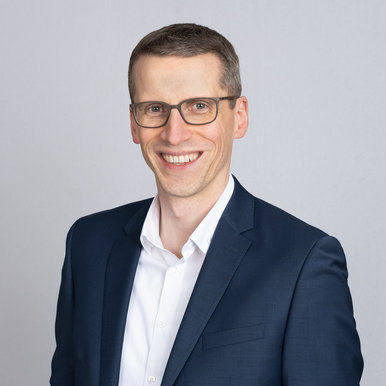
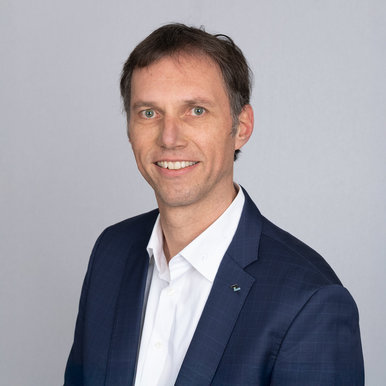
Moderated by Christian Rückert, Product Manager Technology at Ersa GmbH & Co. KG, representatives from partner companies and Ersa were invited to present their views on more sustainable electronics production – there was a lot to learn! The participants in the discussion were Christian Ortmann (kolb Cleaning Technology GmbH), Anton Shmatko (MTM Ruhrzinn), Maximilian Meindl (Atlas Copco), and Jörg Nolte (Ersa GmbH & Co. KG).
After each participant´s opening statement on the topic, it became clear that sustainable electronics production has many aspects and that only a combination of individual measures can ultimately lead to more sustainable production. This, in turn, allows European market participants in electronics production to gain an international competitive advantage. Efficient cleaning methods from kolb ensure high availability of the end products. Metal recycling is an increasingly important aspect of recovering high-quality raw materials in line with the circular economy, as promoted by MTM Ruhrzinn. The use of locally produced nitrogen as a protective gas with the help of Atlas Copco systems ensures greater process reliability in the manufacturing process. Finally, Ersa rework systems help to maintain added value and increase the service life of electronic products by enabling rework, repair, and hardware upgrades. A brief outlook made it clear that new, more sustainable base materials to replace the standard FR4 circuit board material are still in development. Renewable, bio-based cleaning media do not yet demonstrate sufficient cleaning performance, and solder pastes with significantly lower melting points are only just proving their reliability compared to established SAC solders. The reduction in material usage, as demonstrated by Würth with the selective application of solder resist, is also not yet widespread.
However, further discussion showed that it is already possible today to make a significant contribution to greater sustainability in the manufacture of assemblies. Specifically, Christian Ortmann explained that kolb focuses on optimal cleaning with minimal resource consumption. Among other things, the lever for sustainability lies in low-temperature cleaners and process control to save energy, water, and chemicals in the plants. In terms of water consumption, for example, vacuum distillation can reduce fresh water requirements by up to 95%. Christian Ortmann used a clear example to explain the principle of cascade rinsing, which is also used in cleaning systems. In this process, the first rinsing basin is always heavily soiled, but the last one remains virtually clean over a longer period of time. Furthermore, completely water-free processes are already established for maintenance and stencil cleaning. Thorough cleaning is also sustainable because it helps end products last longer, remain repairable, and perform at their full capacity over the long term.
Anton Shmatko from MTM Ruhrzinn addressed the topic of material and energy use. Not only are there economic and legal aspects in favor of reprocessing solder waste, but also energy savings in the production of new solders. Metals such as tin, copper, and precious metals can be reused practically indefinitely. Although separating them by type involves a lot of effort, alloy-pure processing and “short” material cycles significantly reduce CO2 emissions. It also reduces dependence on raw material imports and strengthens European supply chains. Anton Shmatko emphasized how important it is to approach sustainable production from different angles so that each individual step contributes to the overall performance of the industry.
Maximilian Meindl from Atlas Copco showed the contribution that the use of protective gas (nitrogen) can make: once again, it is the use of energy that plays a key role. In his opinion, N2 generation at the point of use is the best approach because it eliminates expensive and CO₂-intensive transport. A second approach is aimed at those responsible for production: “Is the highest purity of nitrogen required in all applications in order to control a process reliably?” was one question. His answer: In some processes, lower purities can save up to 50% in energy consumption. Meindl also mentioned another buzzword in this context: “Power to gas”, i.e., N2 production for storage when surplus renewable energy is available.
At the end of the manufacturing chain for electronic assemblies or during their operating life, rework and repair are required – areas that have developed rapidly in recent years, partly because the loss of value from discarded assemblies from electrical production is problematic from a business perspective, as Jörg Nolte from Ersa emphasized. With global electronic waste amounting to approximately 60 million tons per year and a comparatively low recycling rate of only 25%, repair is an important pillar of sustainability in electronics. Nolte clearly explained that it is not an option to dispose of a local train or a CNC machine just because the control electronics are faulty. The same should soon apply to everyday items from toasters to notebooks, supported by the EU Commission´s “right to repair”! But Ersa offers approaches to greater sustainability not only in rework: efficient selective soldering systems offer the best soldering results for many applications with optimal energy use. The latest generation of reflow ovens has very good thermal insulation to keep the energy in the process, and the waste heat from the oven has been able to be used via heat exchangers for years. In addition, Ersa will offer customers process-related energy consulting in the future and is working in a variety of ways to improve the energy efficiency of devices and systems. Hansjürgen Bolg, Head of Soldering Tools and Rework Systems at Ersa, concluded the event with a well-received call to action, encouraging all participants to be courageous in embracing new concepts and to actively participate in recycling.