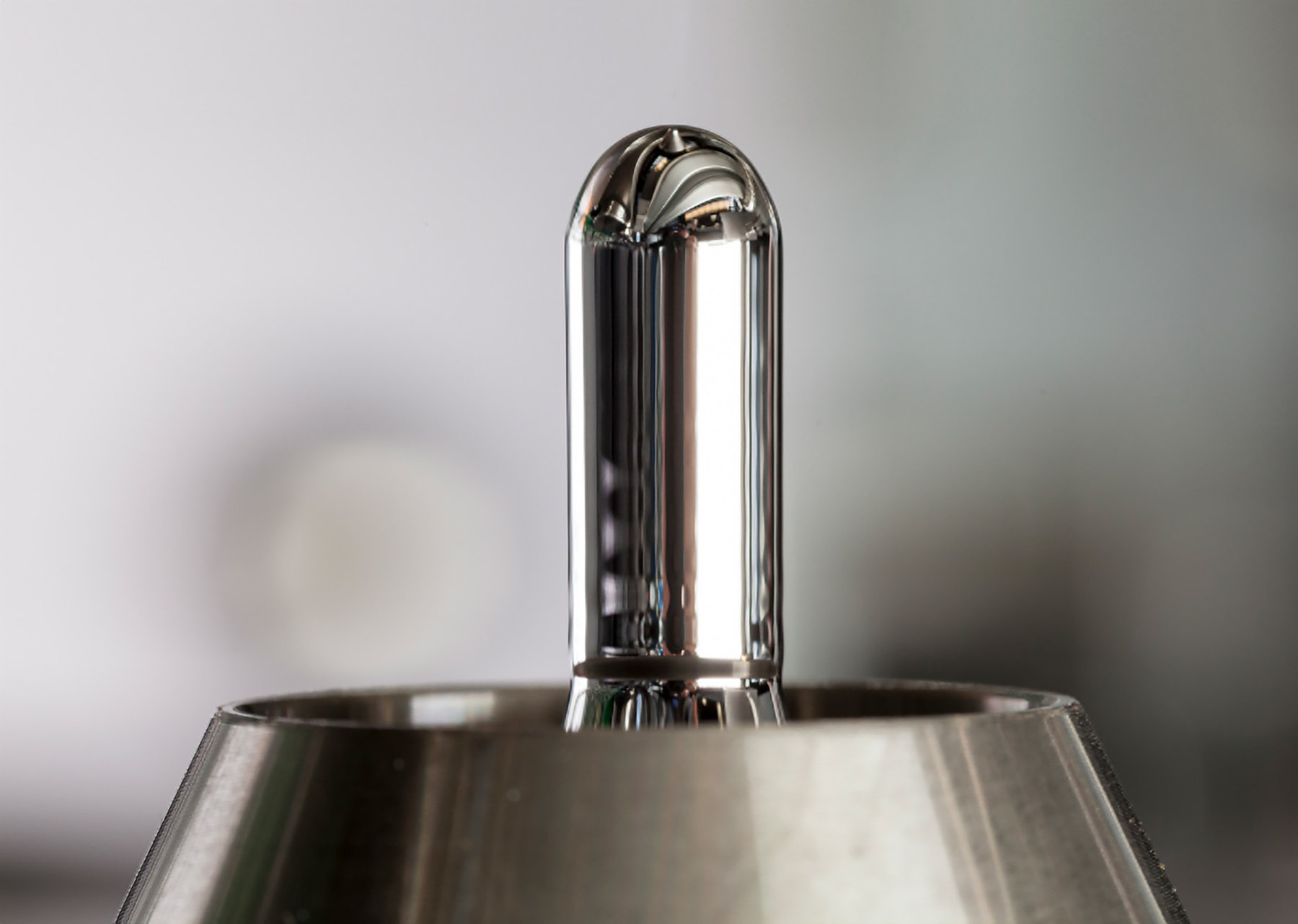
Selective mini-wave soldering continues to gain importance, thanks to its compelling advantages in terms of soldering quality and flexibility. One drawback remains: the limited service life of the soldering nozzle. However, significant progress is being made across the board. The following article shows how nozzle service life can be improved using simple methods and what results Ersa customers can achieve with the new VERSA®EXTENT nozzles.
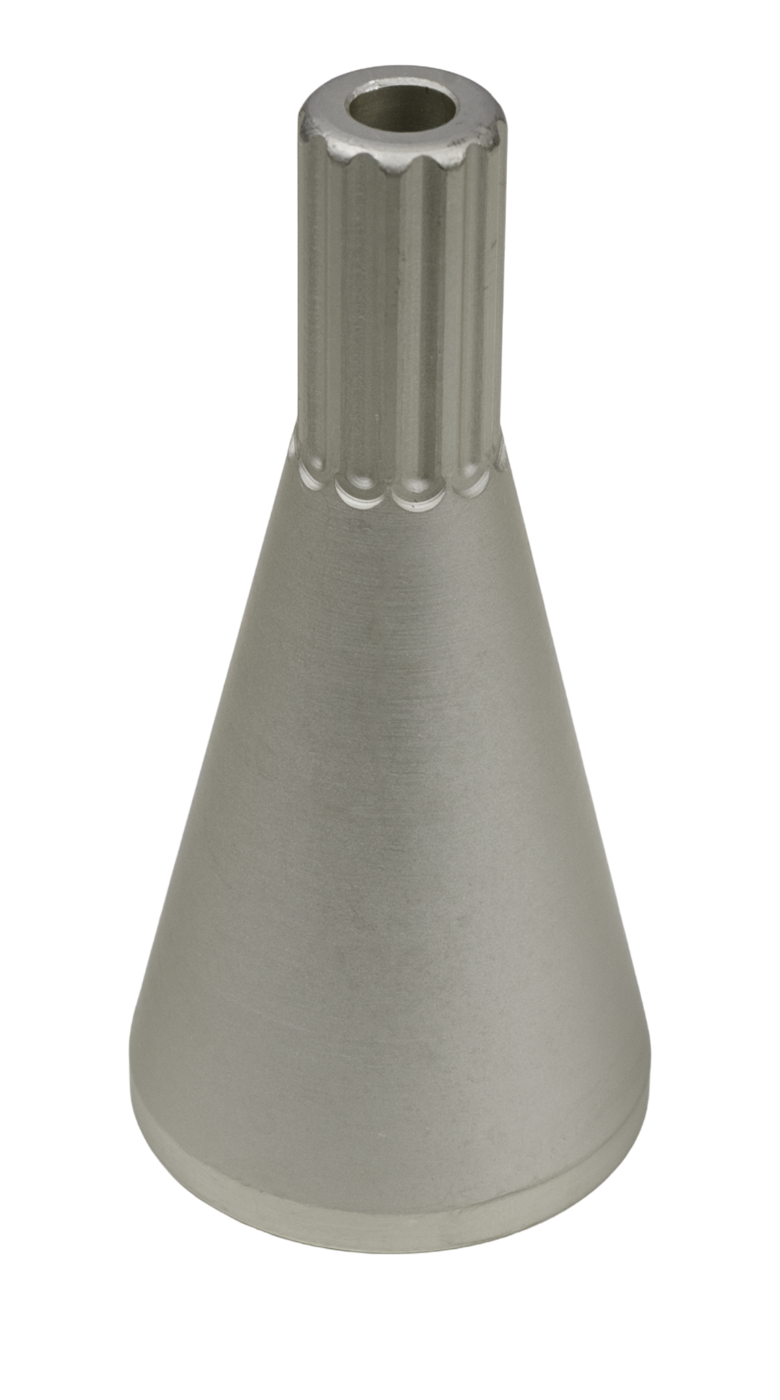
The primary function of the solder nozzle is to direct the liquid solder from the pot in a shape suitable for the assembly. At the tip of the nozzle, the so-called mini-wave forms, which wets the solder joints. The geometry of the nozzle determines the shape of the wave. Today, nearly all applications use wettable solder nozzles, which means that the surface of the nozzle reacts with solder in the same way as printed circuit boards or components do.
Why use wettable solder nozzles?
Solder nozzles with a wettable surface enable a compact and controlled mini-wave that can also be designed to be rotationally symmetric. This allows the nozzle to be moved in any direction without changes to the wave geometry.
The key factor is the so-called wetting force of the nozzle surface, which actively pulls the flowing solder downward, resulting in the formation of a uniform solder film across the entire surface. This active force directed toward the nozzle improves the wave´s peel-off behavior and, consequently, parameters such as solder joint quality and bridging. The greater the wetting force, the lower the chance that too much solder will remain on the assembly side.
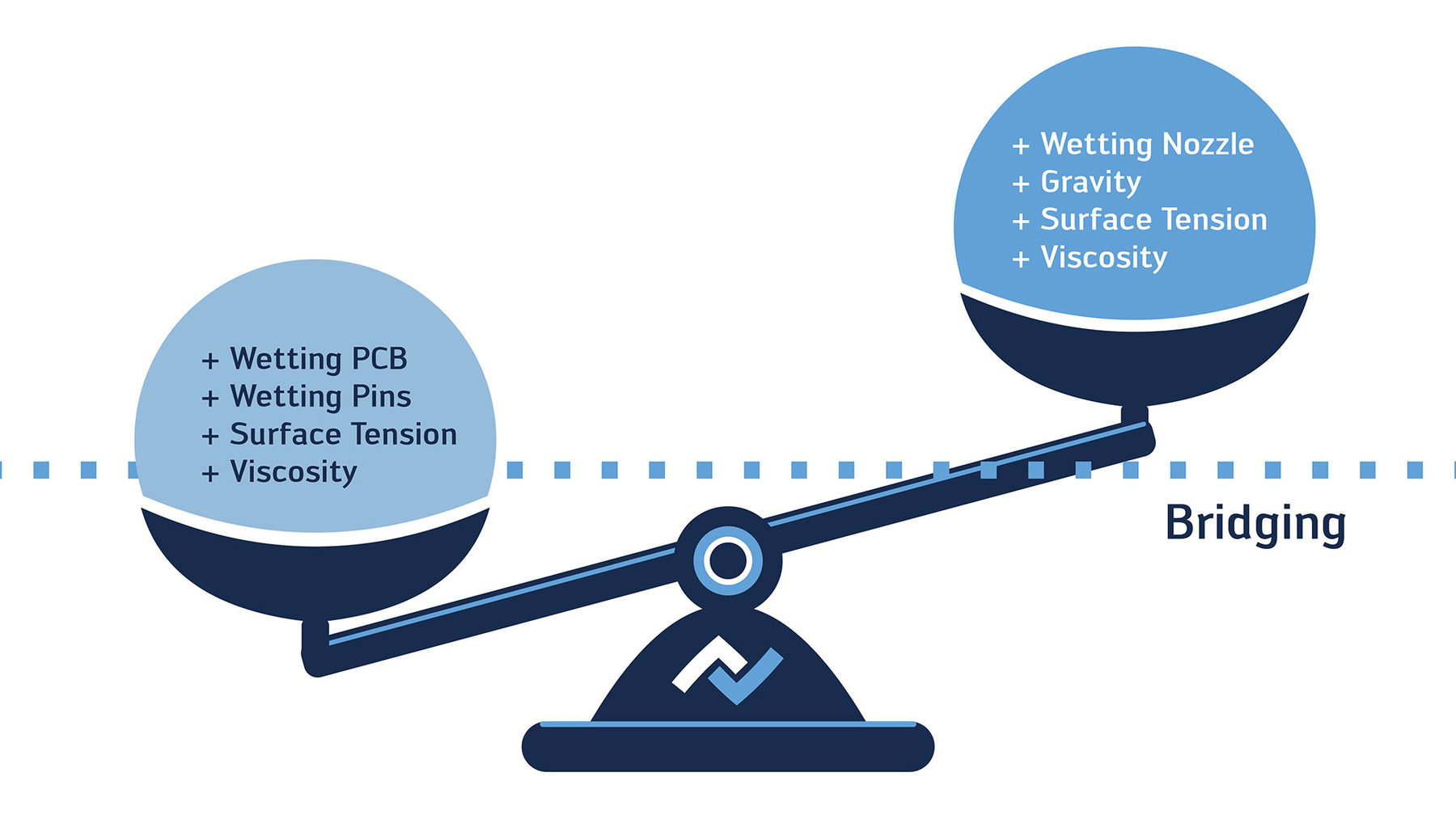
Solder bridges form when the retaining forces on the assembly side are greater than the forces acting away from the solder joint at the moment of peel-off. In practice, these are primarily wetting forces and surface tension, but the viscosity of the solder also plays a role. You can think of the whole process as a balance scale. Since these parameters are dynamic and can vary, the formation of bridges is not always reproducible. However, the stronger the forces acting toward the assembly – for example, due to an unfavorable layout – the more likely it is that a bridge will form at that point. This causes the balance to tip heavily to one side.
Limits of Wettability
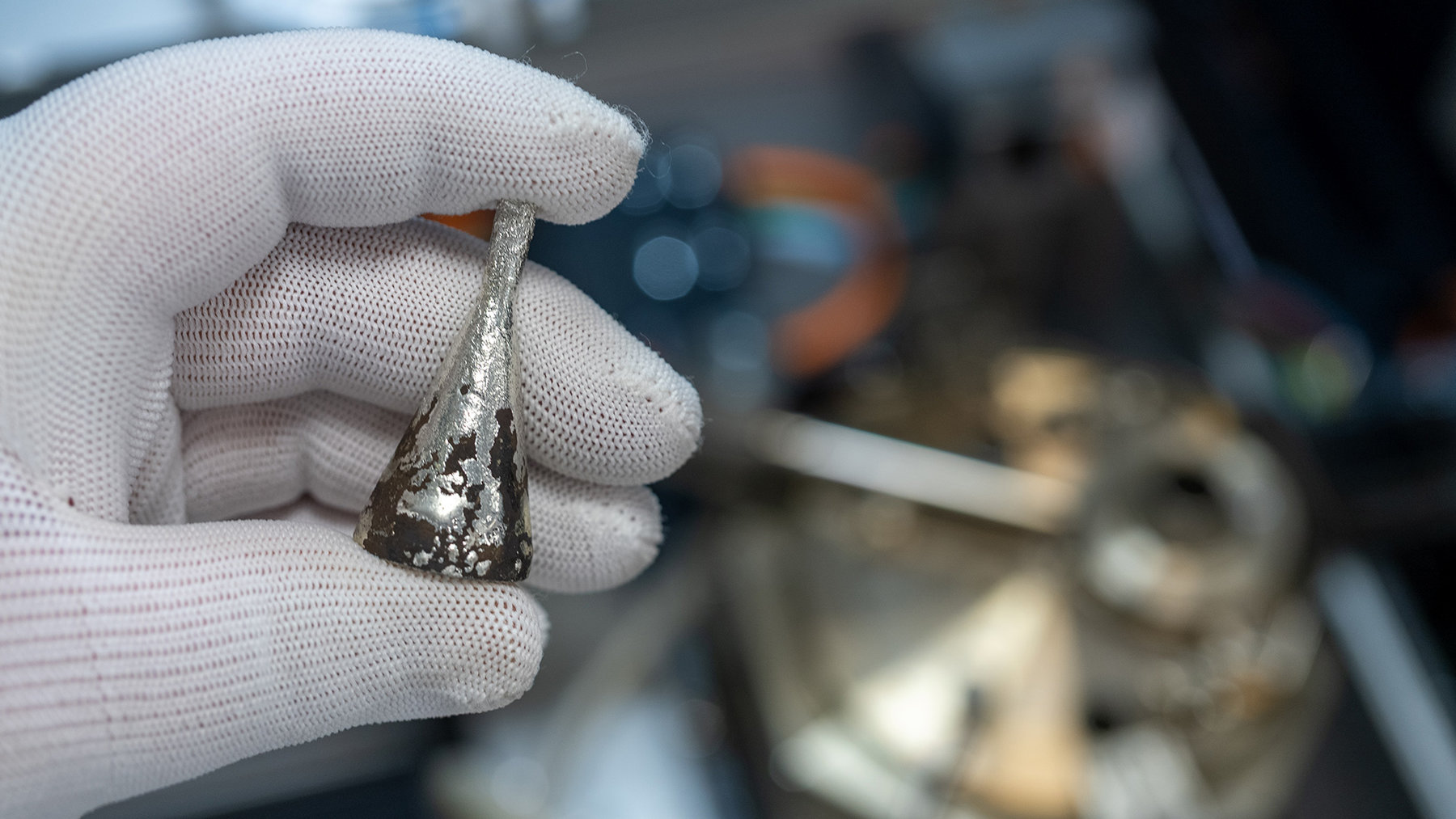
As helpful as wettability is when it works, it is just as critical when it deteriorates. The properties described above are lost, and the process becomes unstable. There are numerous parameters that can lead to a decline in wettability, but the cause is usually the same: oxidation. In real world applications, oxidation is the primary cause of failure for selective soldering nozzles. Continuous wetting with liquid solder causes material to be leached, which can lead to changes in the nozzle´s contour. In most applications, however, irreversible surface oxidation occurs before the material leaching can reach a critical level. Oxidation cannot be completely prevented. All known wettable materials tend to react with oxygen, but its effects can be mitigated using relatively simple methods.
Reducing oxidation means extending service life
Anything that prevents oxygen from reaching the nozzle´s bulk material will improve the service life of a soldering nozzle. The most obvious solution is a sufficient and undisturbed nitrogen atmosphere. This includes the purity of the nitrogen, the pressure in the supply line, and a leak-free gas path to the tip of the nozzle. Equally important is ensuring the nozzle is covered with as much solder as possible, because where solder flows, the intermetallic phase is covered and does not come into contact with oxygen. Therefore, the solder flow should not be reduced too much during standby, and the nozzle should be completely covered with solder when removed. During operation, uniform solder coverage cannot be guaranteed at all times – for example, during “active peel-off” or in-line soldering. In these cases, however, it is crucial to minimize the time the nozzle is exposed to oxygen. The residual oxygen content is also critical here; ideally, it should be below 100 ppm. Since slight oxidation is inevitable, reactivating the solder nozzles is of great importance. This can be done manually or automatically; what matters is the frequency and regularity. By following these guidelines, you can significantly extend the service life of each solder nozzle.
What makes VERSA®EXTENT different?
VERSA®EXTENT soldering nozzles differ from previous models in that the tips of the nozzles feature a grooved surface. Along with advanced materials, this design is the main factor behind the nozzles´ improved performance. The evenly spaced grooves at the tip increase the surface area of the nozzle in this region. More surface area equals higher wetting forces, which enables greater process stability and leads to reduced bridging. In internal tests, bridging was reduced by up to 50%. Unfortunately, the actual reduction in real-world applications is difficult to predict, which becomes clear when you revisit the image of the scale. When other influencing factors carry significant weight, even the optimized peel-off behavior of the VERSA®EXTENT nozzle cannot always completely prevent bridging. Nevertheless, the risk of bridging is noticeably reduced in every case, and the overall solder joint quality is improved.
Unexpectedly Long Service Life
In addition to the larger surface area, the contour of the VERSA®EXTENT nozzles also leads to stabilization of the solder wave and improved flow behavior. These factors should have a positive effect on service life because the periods during which the nozzle surface is not wetted are shorter. A corresponding effect was already suspected during the nozzle´s development, but field testing was required to obtain reliable results. Among the field test customers who tested the VERSA®EXTENT nozzles was Phoenix Contact GmbH & Co. KG. Sebastian Sieg, the process engineer in charge, commented on the results: “We were among the first customers to test the VERSA®EXTENT nozzles. Although we had already successfully used various nozzle variants in the past, the VERSA®EXTENT nozzles clearly stand out. With the first 3/6-mm nozzle, we achieved a service life of four months in three-shift operation with consistently good results.”
Successfully in Use Einsatz
VERSA®EXTENT nozzles are already being used successfully by more than 100 customers worldwide. The results have been consistently positive. Alessandro Bonara, Head of Global Prefabrication & Electronics at ASMPT GmbH & Co. KG: “The optimized nozzle geometry of the VERSA®EXTENT allows the adhesive forces to take effect ideally, ensuring reproducible results and significantly longer service life. We are truly enthusiastic about this technology.”
Tobias Kögler, Process Manager at Zollner Elektronik AG in Zandt, was also impressed by the VERSA®EXTENT nozzle: “With a very demanding product produced in high volumes, we were quickly running through a lot of nozzles. We were therefore looking for an alternative solution. Ersa proposed developing a VERSA®EXTENT version for our nozzle (8/12 mm, custom length). Just a few weeks later, we received a sample batch and were able to test them directly in production. The results convinced us: Under identical conditions, the nozzles achieved a service life approximately four times longer. That´s why we immediately switched the process to the new nozzles.”
Conclusion: After more than two decades of continuous development, selective soldering nozzles had already reached a remarkable level of performance. With the VERSA®EXTENT series, Ersa is now bringing the next stage of evolution. This new family of nozzles is the answer to the ever-increasing demands of modern electronics production. Just as crucial as the material are expertise and an understanding of the process, which are essential for getting the most out of existing equipment and remaining competitive in the future.