When innovation in mechanical engineering meets additive manufacturing, the result is more than just a new product – it sets a new standard. This is exactly what our colleagues in the Additive Manufacturing division are currently working on at full speed: a new system for metal 3D printing using the PBF-LB/M* process.
We can´t reveal everything just yet. That´s part of a launch with substance. What we can say today is that this fall is going to be exciting. With the planned market launch, we´re expanding the Kurtz Ersa portfolio with a solution that´s been consistently designed with real-world applications in mind – for industrial use, reproducible quality, and results that deliver in everyday operations. The Flying Ray S is the first building block of our AM portfolio and the foundation for a scalable, customer-specific solution.
Metal 3D Printing: PBF‑LB/M
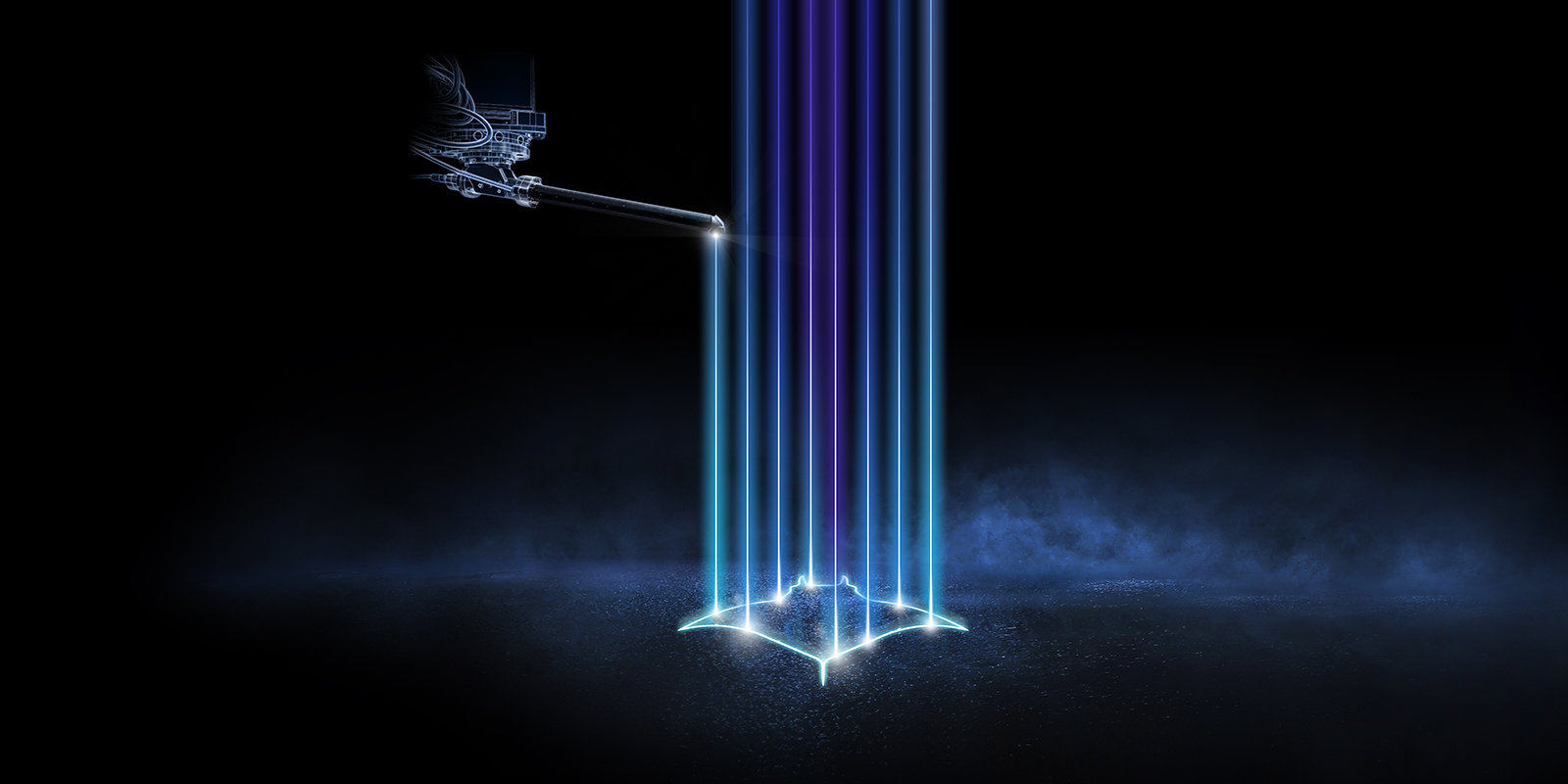
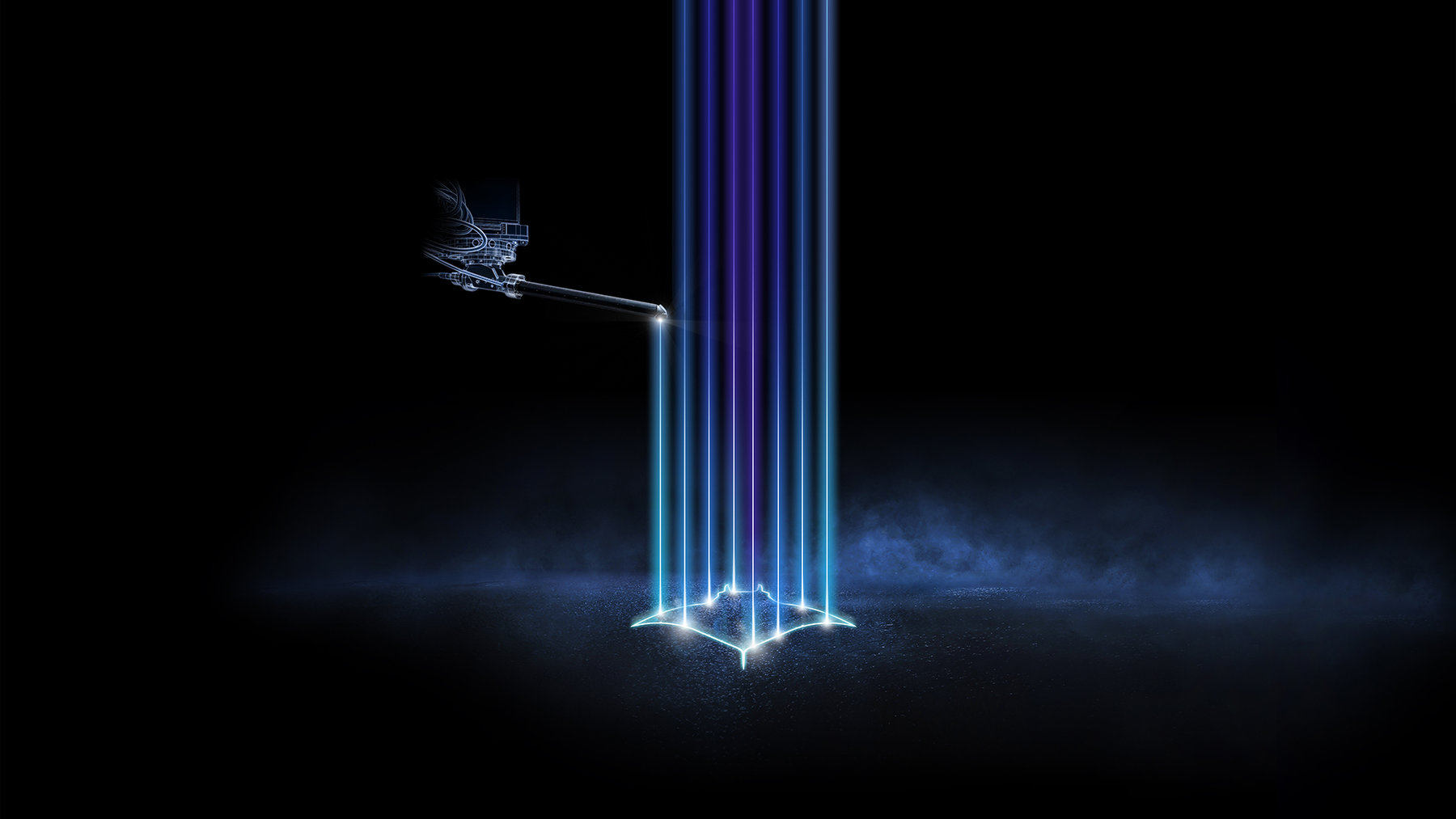
What is PBF‑LB/M? Powder Bed Fusion (PBF-LB/M) is a powder-bed-based additive manufacturing process that is already widely established in industry. In “Powder Bed Fusion – Laser Beam/Metal,” a component is created layer by layer directly from metal powder. A thin layer of powder is applied to a build platform, after which a laser beam precisely melts the required areas according to the design data from the 3D file. This process repeats layer by layer until the component is fully built up. This allows for the realization of complex geometries – such as internal channels, functionally integrated structures, or bionically optimized lightweight designs. The process has established itself in many industries, ranging from prototyping to small-batch and spare-part production. Demands are increasing: for build volume, process stability, automation, material diversity – and, above all, for integration into existing production environments. This is exactly where our solution comes in. Our Flying Ray S does not use a new process, but it gets the most out of PBF-LB/M thanks to our unique swivel-arm technology.
Constant deposition ratios: In the powder bed, the details matter
For industrial applications, consistent process stability and reproducible quality are particularly crucial. At Kurtz Ersa, the laser is guided over the powder bed via a swivel arm with constant irradiation ratios, creating uniform conditions for energy input and component quality – not just at specific points, but across the entire build area. Our approach is typical of mechanical engineering: We look not only at the printing process, but at the entire system. From well-thought-out usability and robust, maintenance-friendly design to aspects such as process monitoring, data availability, and efficient workflows. In short: We start where others stop –with the details that ultimately determine availability, quality, and unit costs.
AM Fall at Kurtz Ersa
What does this mean in concrete terms? This fall, you can look forward to insights that reveal the direction of our thinking: industrial scalability – moving away from systems where quality must first be ensured through extensive testing, documentation, and qualification efforts, and toward a platform where processes can be developed, transferred, and later scaled. The most important date has already been set: In November, we´ll be presenting our new PBF‑LB/M printer for the first time at the Formnext trade show in Frankfurt am Main. There, we´ll showcase the system and, above all, discuss the requirements that guided us during development – as well as how metal 3D printing can be integrated into existing manufacturing strategies. Mark your calendars for November now – and visit Kurtz Ersa at the trade show from November 17–20, 2026, in Hall 12.0, Booth C31!